
Building Forest Resilience in Mediterranean Ecosystems: MS in Environment & International Affairs Students Partner with WWF Greece on Wildfire Prevention
By Yoonseo Cho (MS-EIA’26) and Silvie Sandeen (MS-EIA’26) on behalf of the broader team
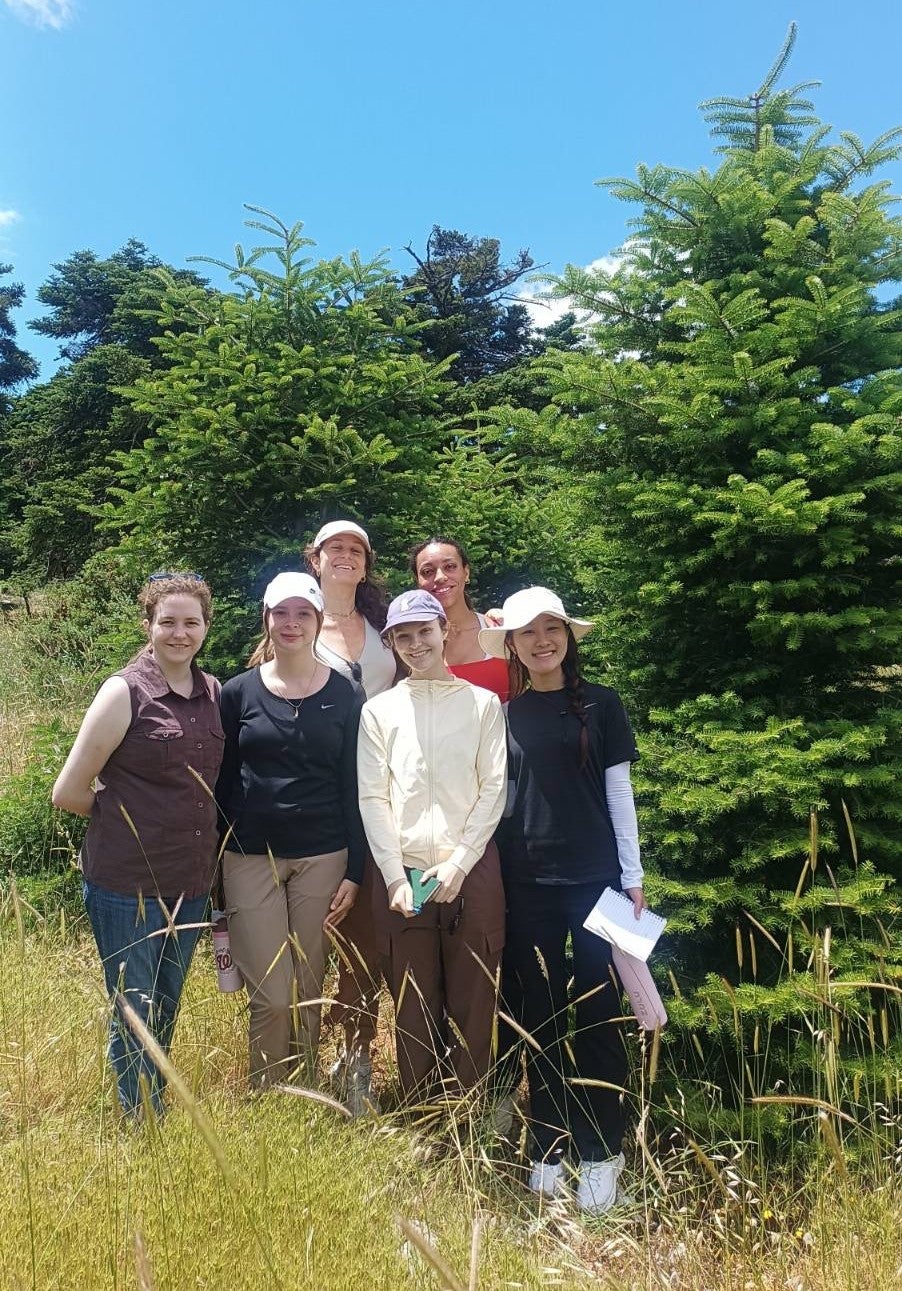
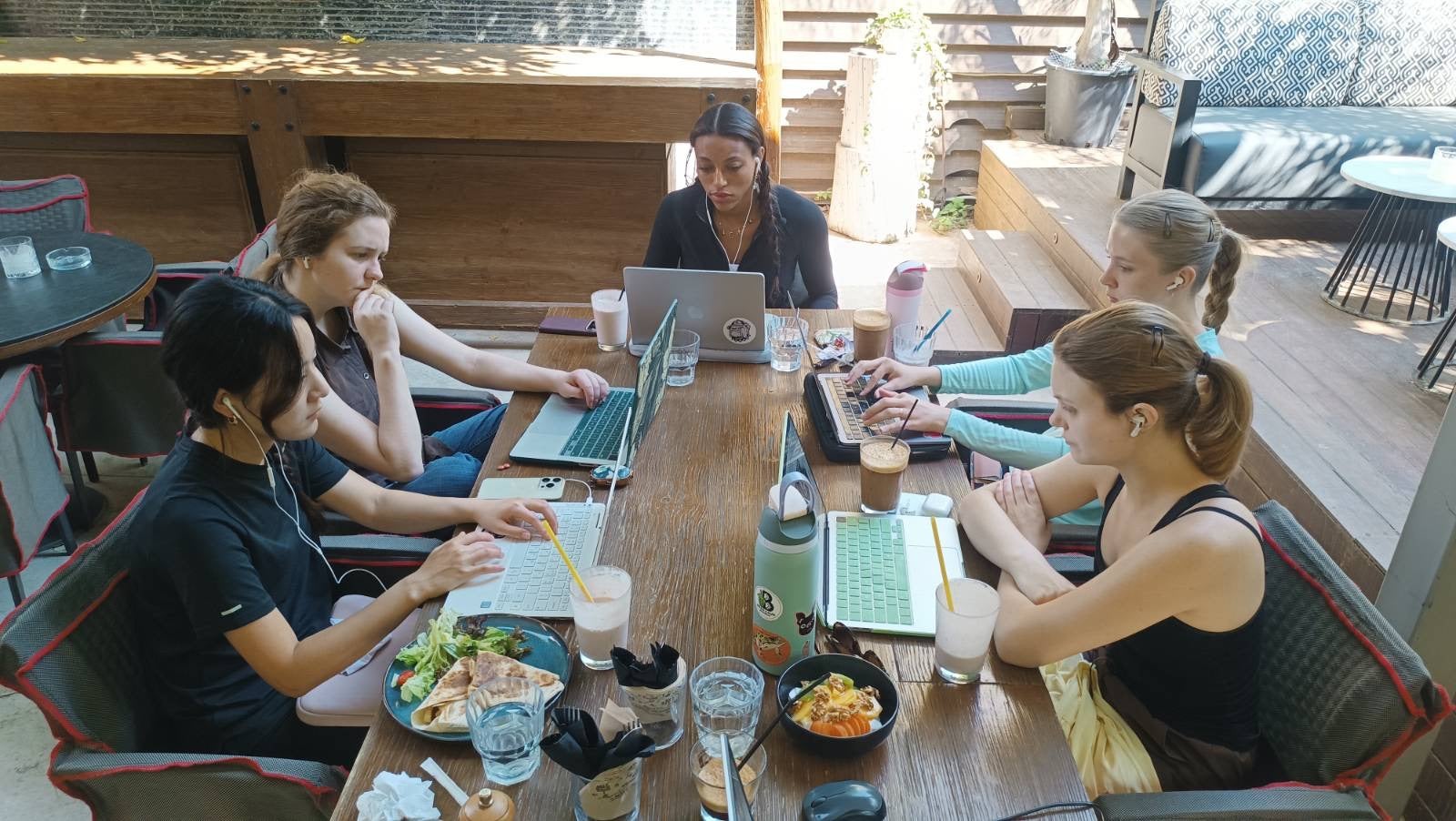
As students in Georgetown University’s Master of Science in Environment and International Affairs (MS-EIA) program, we had the unique opportunity to travel to Athens, Greece, to complete our graduate capstone in partnership with WWF Greece. The project was made possible through the coordination and support of the Earth Commons Institute in Greece (ECo Greece). Over three months, the capstone gave us the opportunity to apply our research and project management skills developed through the MS-EIA curriculum to a real-world environmental challenge.
Working with WWF Greece, we explored how non-mechanical forest fuel treatments (NMFTs) such as prescribed burning and controlled grazing could complement existing wildfire prevention strategies and strengthen the resilience of Greece’s forest ecosystems. As these practices have recently been introduced into Greek legislation as vital prevention and forest management tools, WWF Greece is supporting their implementation.
The trip became a memorable combination of applied field research, cultural exploration and personal connection.
End of carousel collection.
With the help of our mentor Elias Tziritis, Coordinator of Actions for Forest Fires—our team assisted WWF Greece by conducting a comparative analysis between NMFTs and mechanical treatments, a SWOT analysis, a cost-benefit analysis, and an exploration of stakeholder attitudes. Further, we developed a policy memo and an actionable implementation framework to support informed forest management policies. Through this work, we assessed the effectiveness and feasibility of expanding prescribed burning and grazing across the country while identifying the ecological, operational, and social conditions necessary for their sustainable practice.
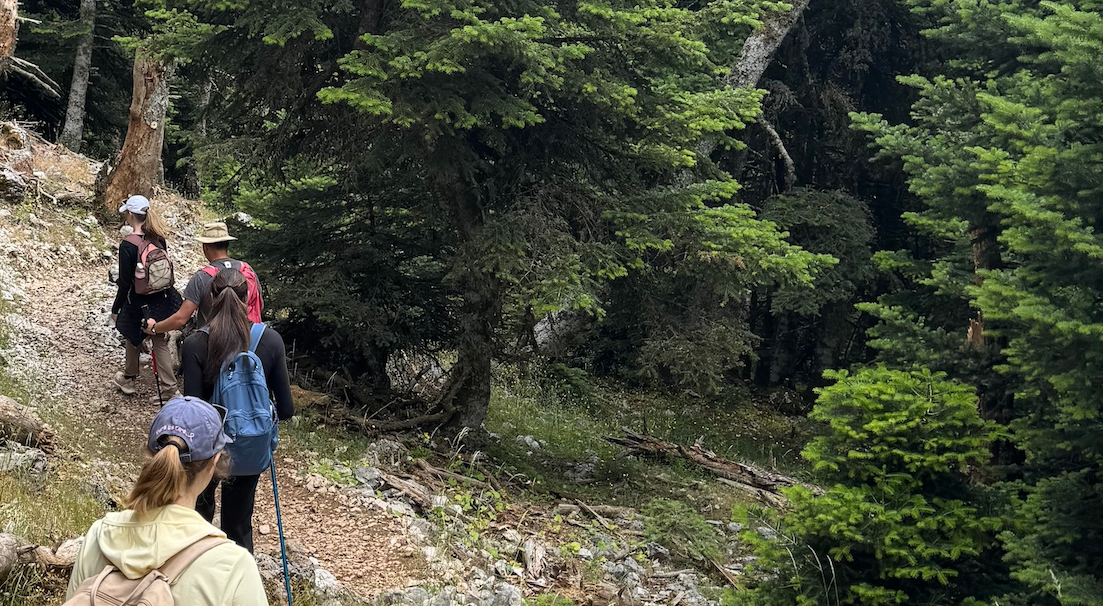
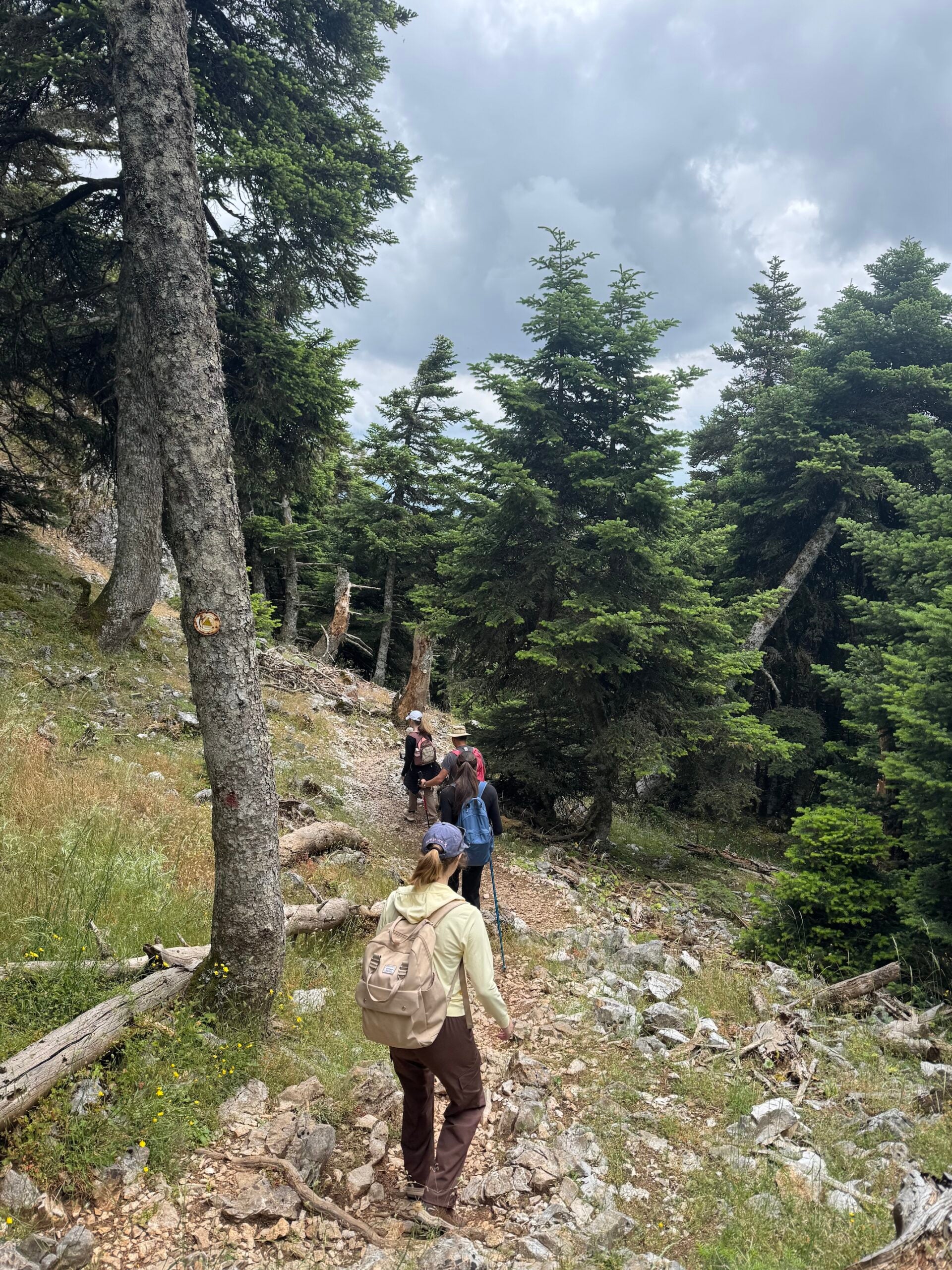
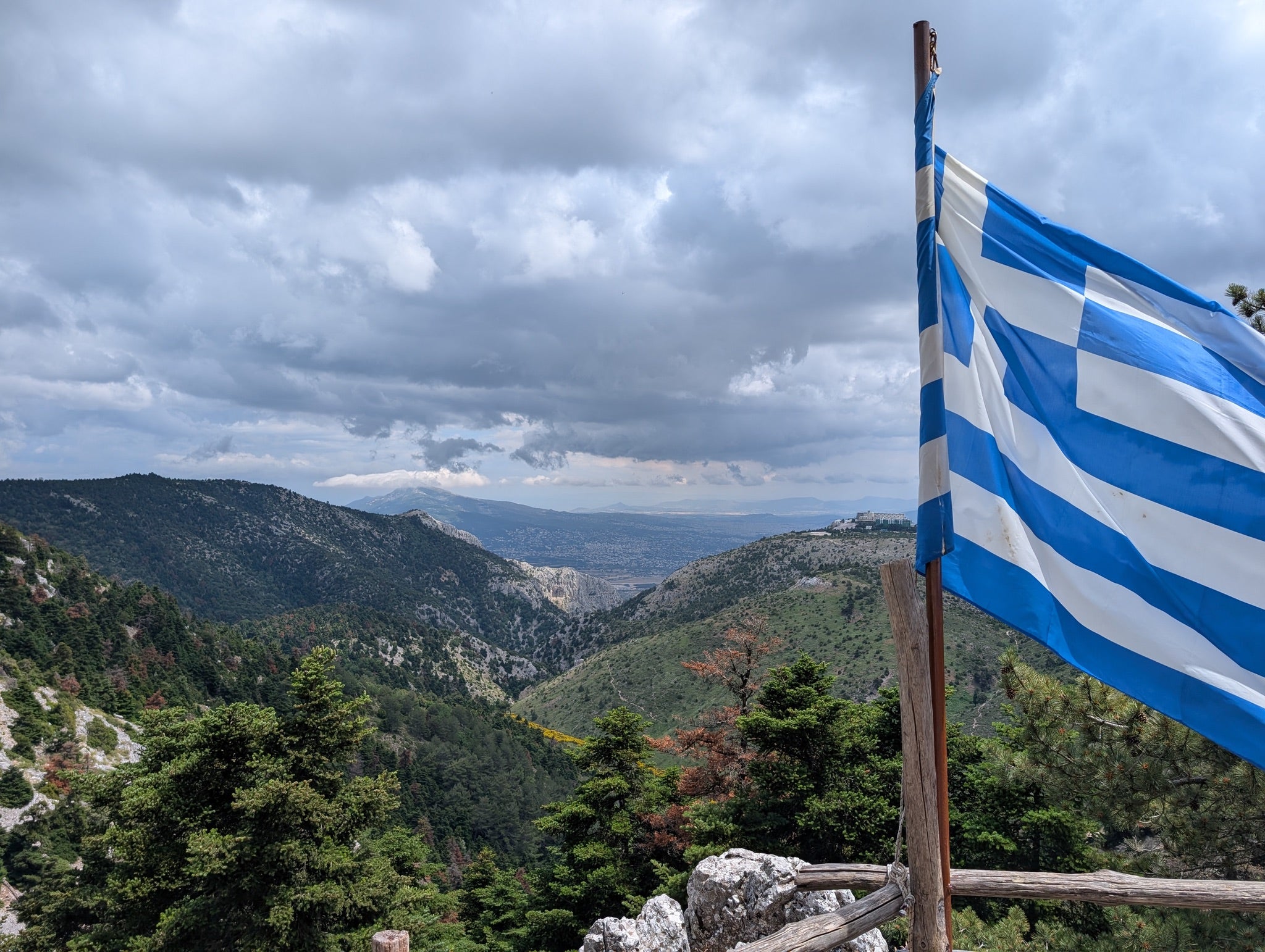
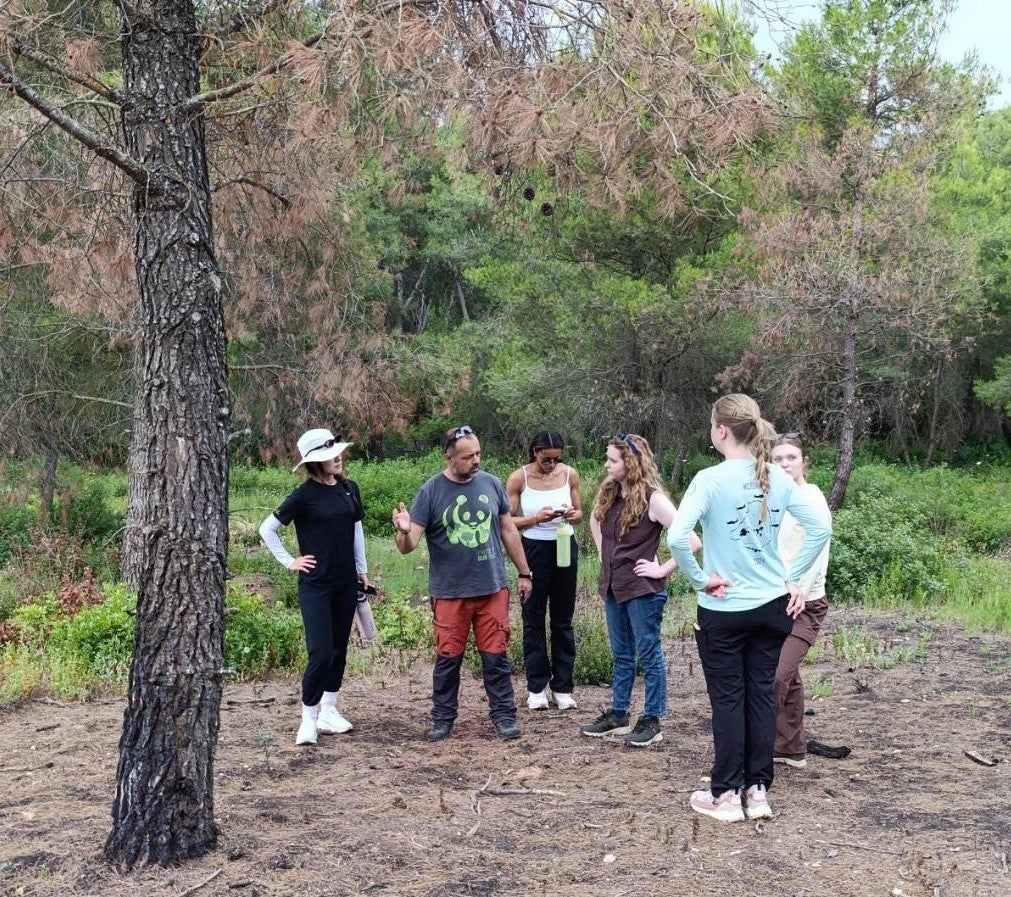
During our first week in Athens, we had an opportunity to visit Mount Parnitha National Park to observe how repeated wildfires have affected forest ecosystems and recovery. There, Elias shared a wealth of valuable information on the ecological recovery of the Greek mountain ecosystems, specifically on how recovery depends on fire frequency, elevation, species, and climate conditions. Elias’s points reflected what we had learned in the Science of Global Environmental Challenges I and II courses with Georgetown’s Dr. Lucy Zipf during the course portion of our program, such as ecosystem interactions and the link between natural disasters and climate change patterns.
While there, we were able to observe how forest ecosystem integrity is negatively impacted by wildfires, as well as some recovery methods like log dams and gravity dams. Seeing this landscape firsthand helped us understand what Greece was already doing to manage and recover from the increasingly intense wildfires, but highlighted the importance of preventing future wildfires from compounding this damage.
Stakeholder engagement was a central part of our capstone. We had opportunities to conduct interviews with foresters, researchers, professors, journalists, and community members to identify their attitudes toward, and harness their knowledge on, integrating NMFTs into Greece’s wildfire management strategy. To successfully conduct the interviews, a few of us drew on the skills acquired during the Advanced Mixed Research Methods course with Dr. Marisa Ensor, while Silvie drew on her past experience interviewing stakeholders as a research assistant. Through their input, we found that successful implementation of prescribed burning and controlled grazing depends not just on technical effectiveness, but also on clear regulations, trained personnel, sustained funding, institutional coordination, and public trust. Additionally, we were able to obtain vital resources including economic information and prescribed burning pilot assessments that were not widely available.
Learning about existing land management and governance practices was also critical to developing informed recommendations for the future use of NMFTs. Rural land abandonment and unclear responsibility for land management came to light as major contributors to the accumulation of fuels and the increasing severity of catastrophic wildfires. Further, wildfire prevention, management, and recovery responsibilities are distributed across different departments of the Hellenic government, creating a complex governance structure that requires extensive interagency coordination across the wildfire management cycle. Understanding these factors allowed us to holistically assess the applicability of NMFTs in Greece and develop recommendations better tailored to the country’s specific conditions.
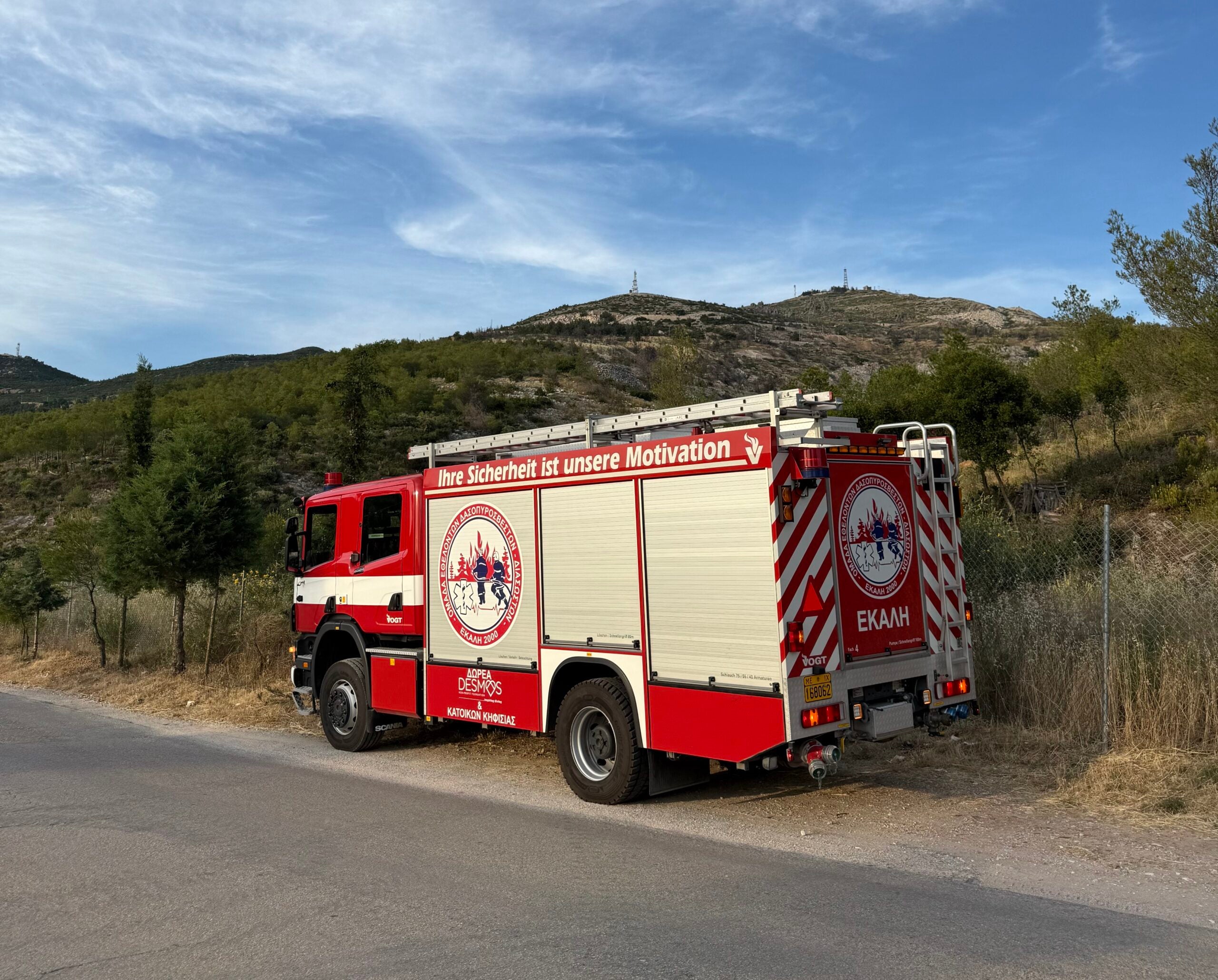
We were also able to interact with volunteer firefighters who provided insight into what it was like on the front lines and the role they played in suppression and prevention of wildfires. We were fortunate to attend the closing ceremony of the Support Program for Volunteer Forest Firefighter Teams, an initiative led by NPF Desmos in collaboration with WWF Greece and HIGGS to train volunteer firefighters and provide them with essential equipment. Greece is reliant on volunteer firefighters to support a large portion of their suppression efforts during the fire season, however, they are critically underfunded and lack training on wildfire fighting techniques—a problem that compounds Greece’s lack of wildfire prevention efforts.
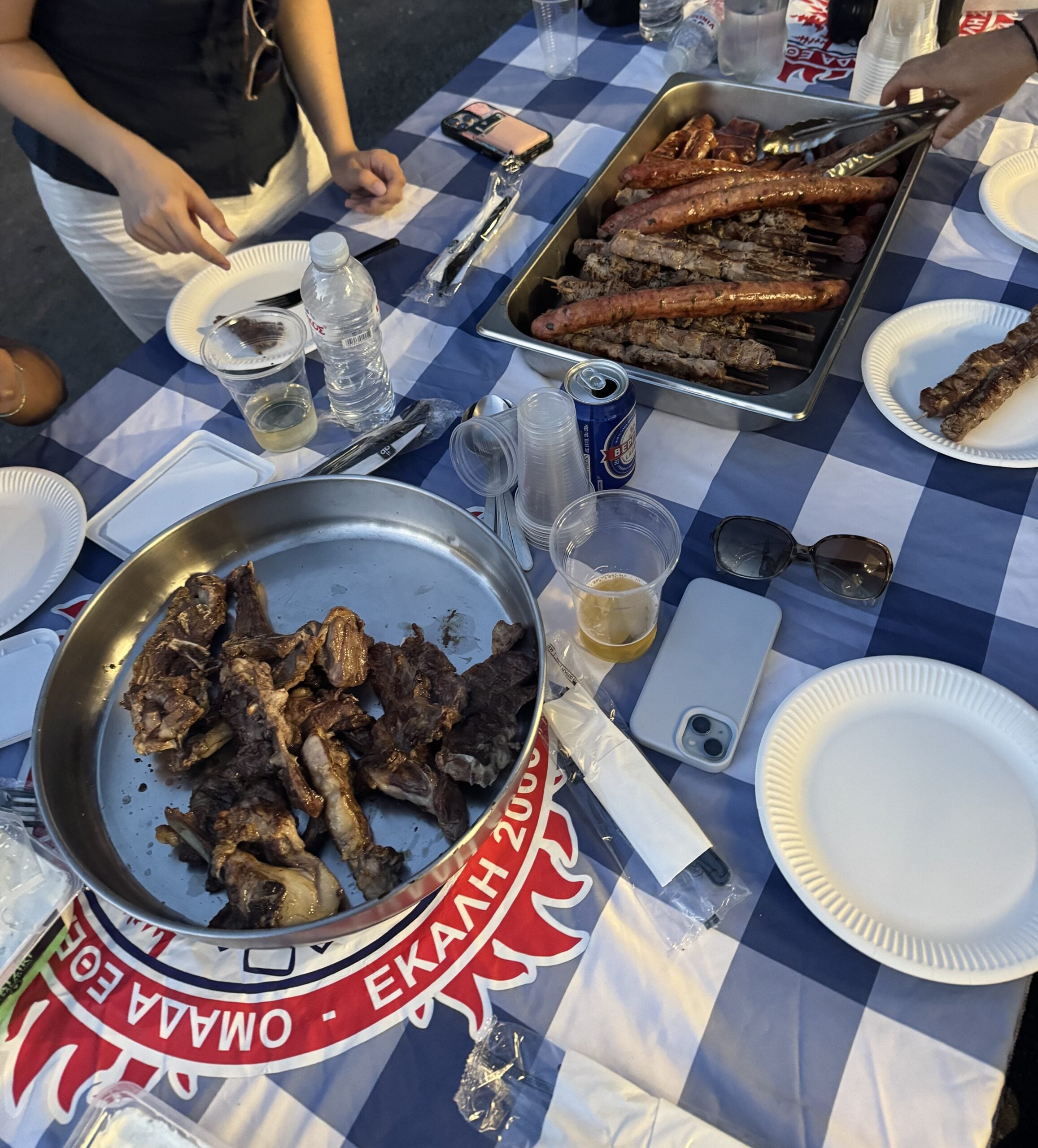
After the event, we were able to speak to volunteers about their experiences—a conversation that we were able to continue with some of them a few days later at the Ekali Volunteer Fire Station. There, we toured the forest under their management and learned about the mechanical vegetation-management practices they use to reduce wildfire risk. Some of the volunteers had even worked on the prescribed burning pilots sponsored by the WWF, and shared their firsthand experiences and thoughts on the practice. We had this discussion over a wonderful dinner the volunteer firefighters had kindly prepared for us—their barbecued souvlaki was the best!
End of carousel collection.
Near the end of our trip, we traveled to Euboea, the second largest island in Greece, to compare different approaches to forest fuel management and learn how WWF Greece is building on its earlier prescribing burning pilot on the island of Chios. We observed areas managed through mechanical thinning and prescribed burning, and an untreated area where dense vegetation connected ground-level fuels with tree canopy. In the managed area, vegetation that was burned in April 2026 was beginning to regenerate. This was evidence of the ecosystem’s capacity for recovery.
These observations echoed a lesson from Dr. Jeremy Mathis’s Nature-Based Solutions and Global Carbon Markets course, where we learned that reducing the risk of severe wildfires is essential not only for protecting the carbon already stored in forests, but also for preserving their long-term capacity to sequester carbon. Our visits to Parnitha and Euboea made the connection between wildfire prevention, ecosystem resilience, and climate mitigation more tangible.
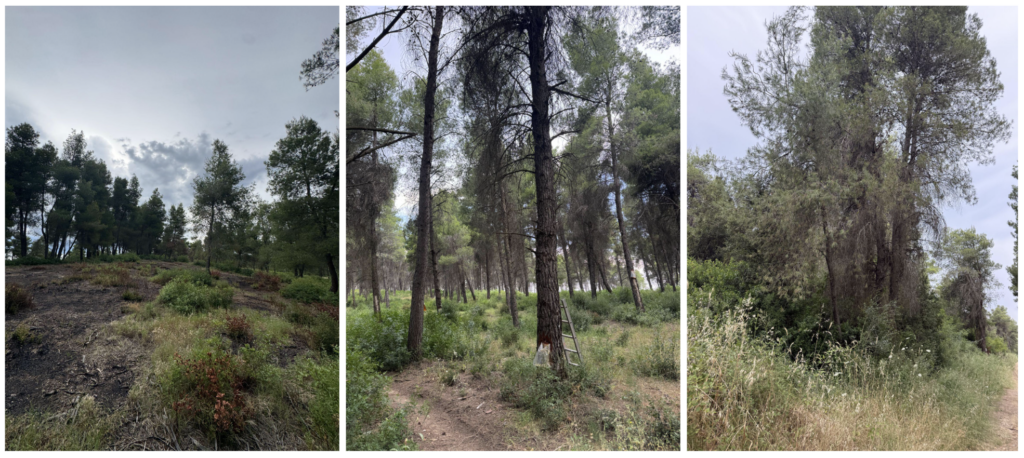
Areas representing different levels of management in Euboea. From left to right—a prescribed burned plot, a mechanically thinned plot, and an unmanaged plot.
Throughout the project, international case studies were essential. Other countries with Mediterranean ecosystems are experiencing similar wildfire risks and are executing various methods of prevention. Comparing their practices helped us understand how prevention techniques must be adapted to local ecological, institutional, and social conditions—a lesson that would be important in aiding us in narrowing down our Greece-specific recommendations. This process drew on skills developed in Dr. Marcus King’s course, Global Environmental Politics and Security, where we learned to examine global environmental challenges by understanding theory and evaluating policy options to then translate into practical policy recommendations.
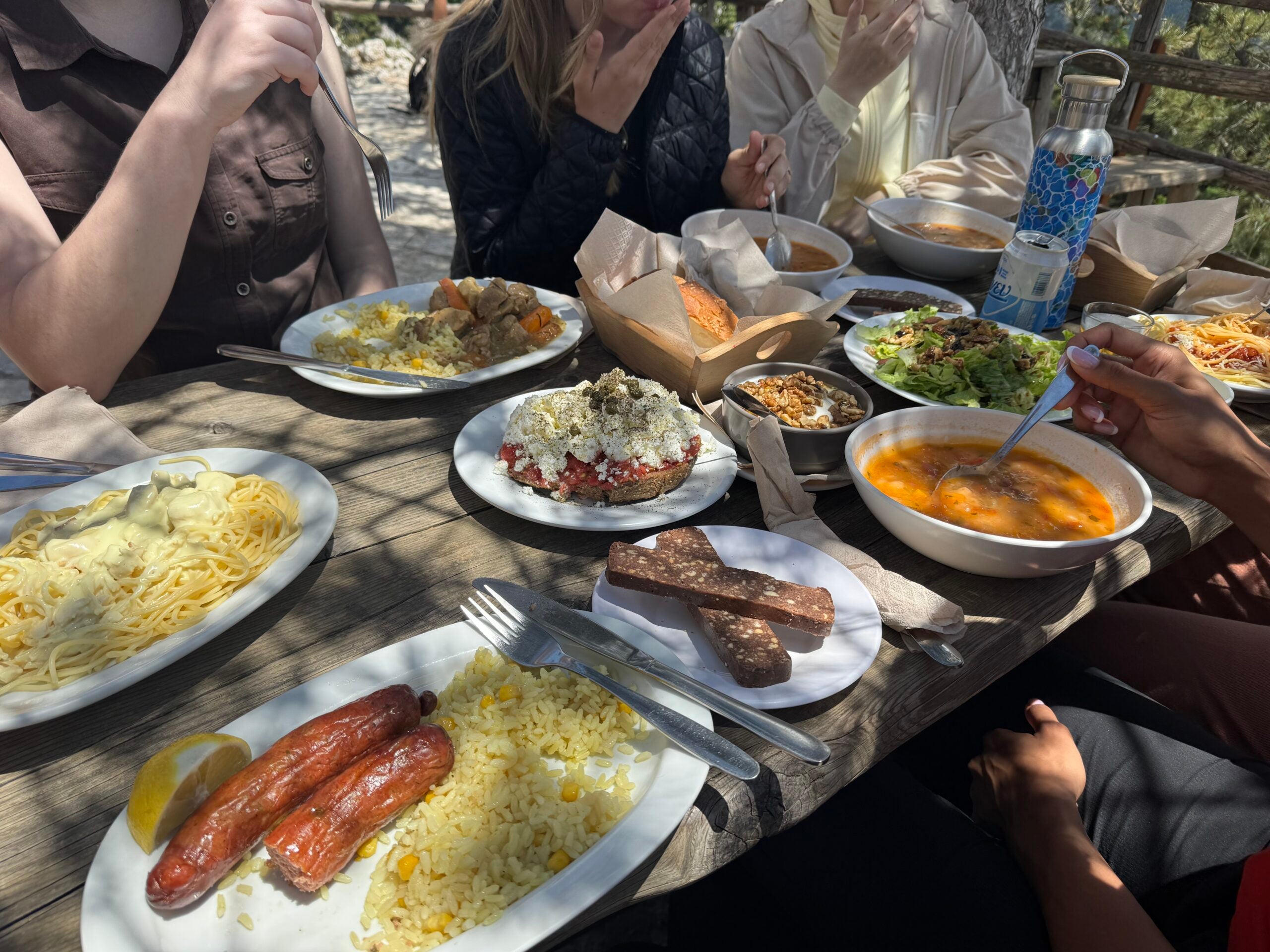
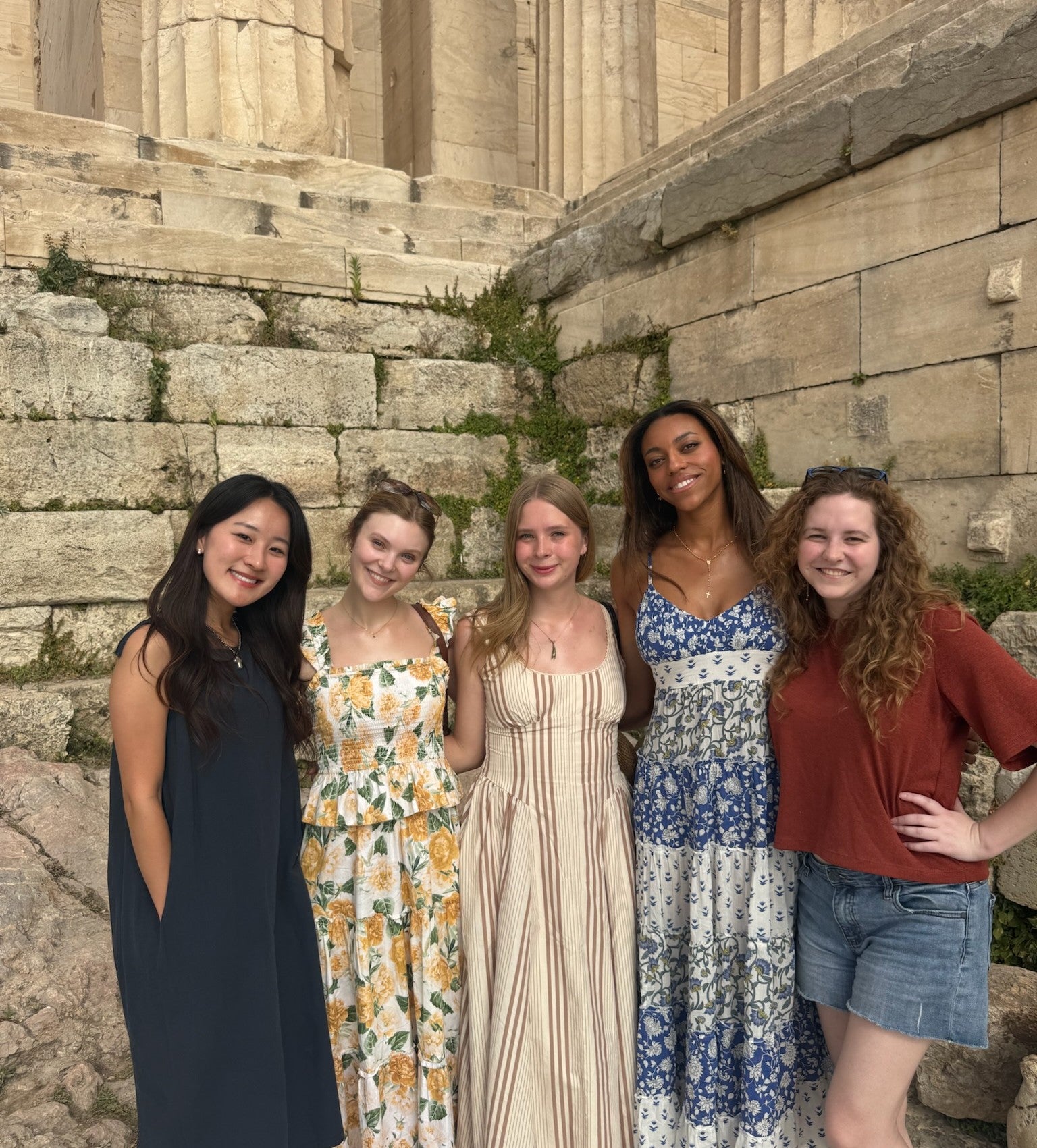
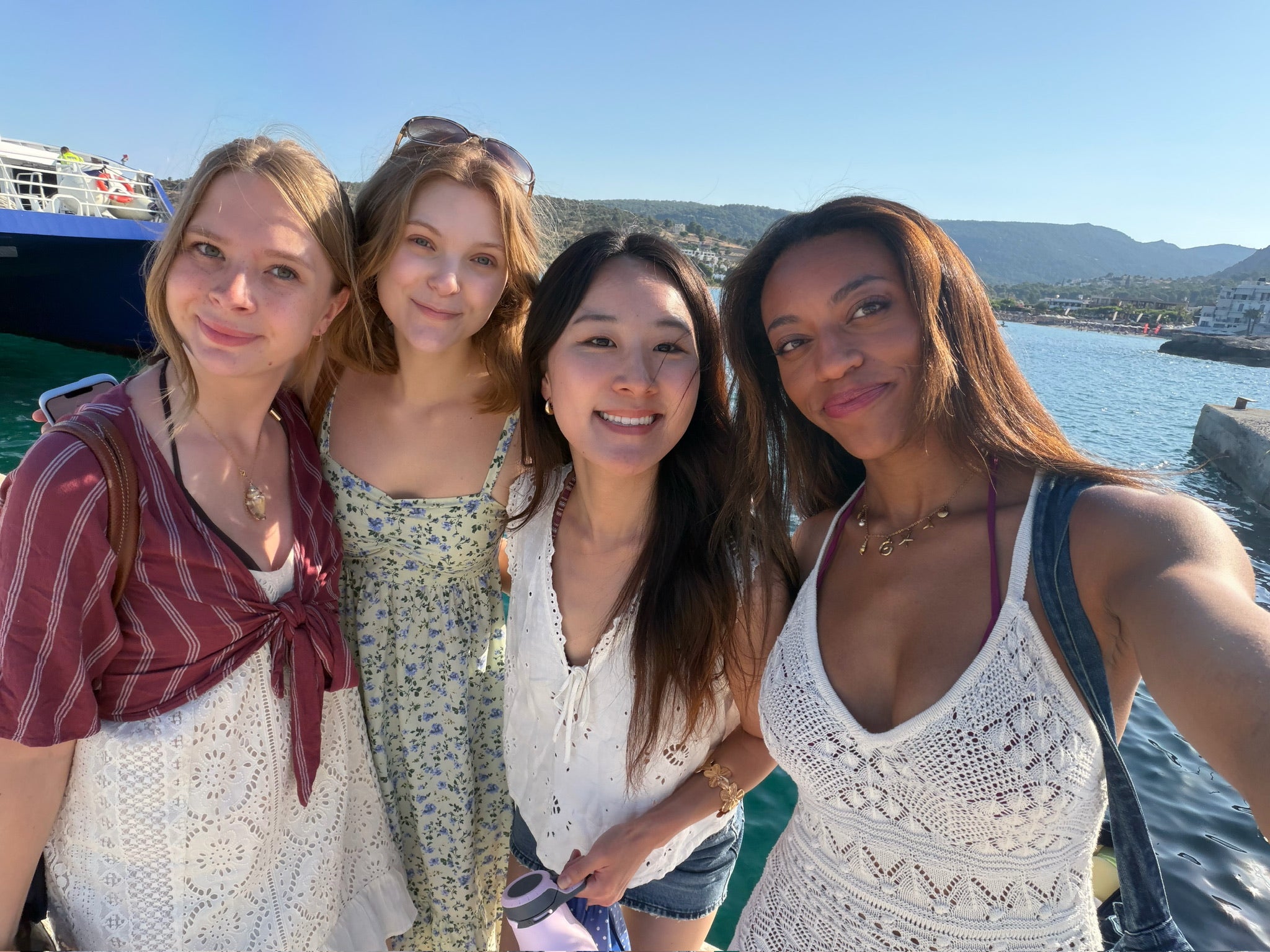
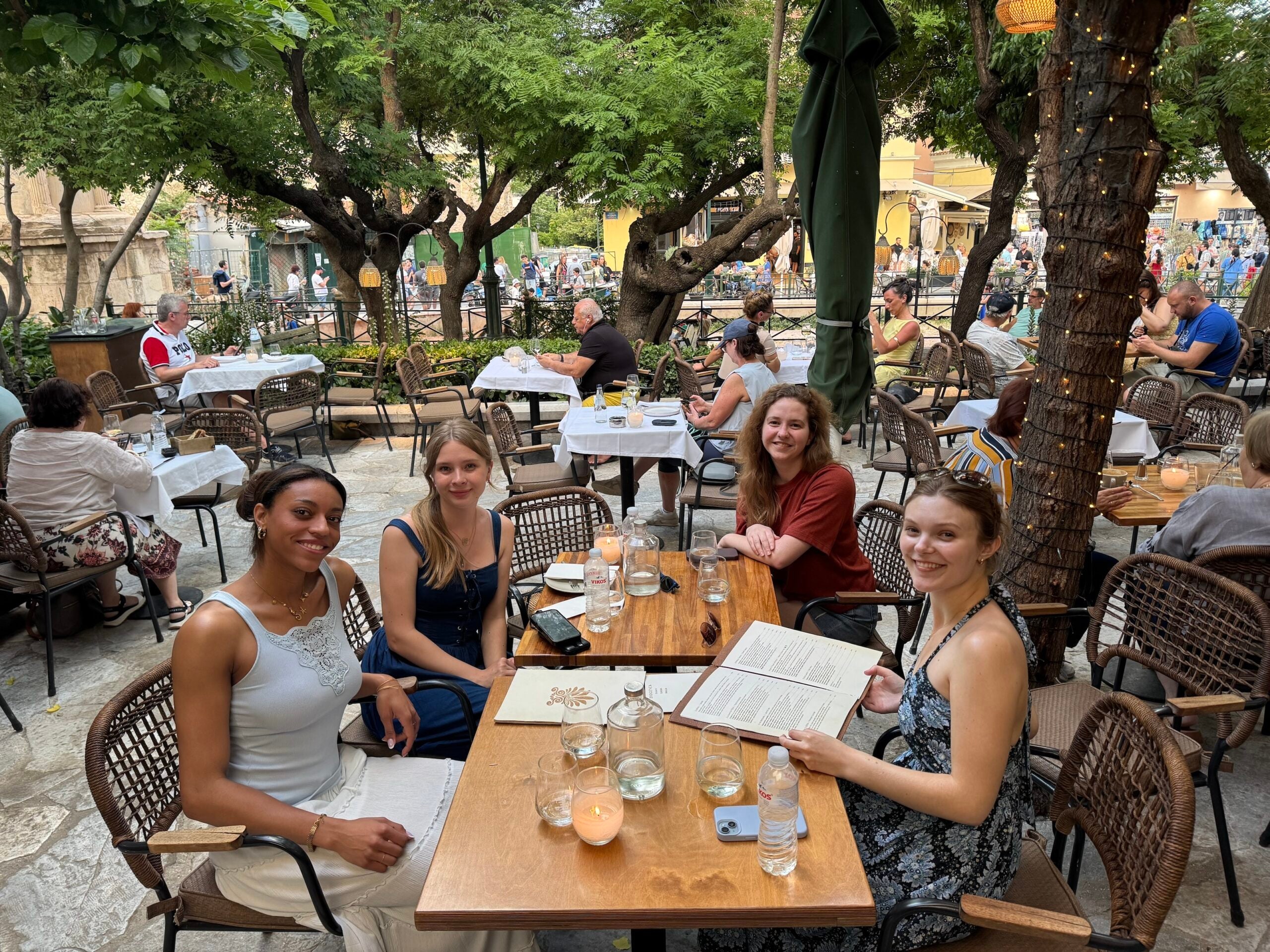
Between project activities, we had a great time exploring Athens, walking through Plaka and Monastraki, and eating traditional Greek food. One of the best times we had together was a day trip to Aegina where we enjoyed island living for a day. Quality time brought our team closer and was a unique chance to better understand the history, culture, and environment of Greece. The trip became a memorable combination of applied field research, cultural exploration and personal connection.
Looking back, we are incredibly grateful for the opportunity to travel to Greece and expand our knowledge on wildfires and Mediterranean ecosystems. Through our research and field experiences, we were able to develop and apply a multitude of skills in qualitative research, data analysis, policy analysis, professional writing, and project management that will aid us as we enter the environmental and international affairs field.
End of carousel collection.
We would like to thank the WWF Greece team for their amazing hospitality and mentorship during our time in Greece. Our group was especially fortunate to learn from Elias Tziritis, whose background as an active Civil Protection volunteer firefighter provided an invaluable frontline perspective on wildfire prevention and response. We truly hope our work supports WWF Greece’s efforts in championing NMFTs and contributes meaningfully to their future implementation in Greece. We also extend our sincere appreciation to Georgetown faculty members Dr. Jeremy T. Mathis, Dr. Marcus D. King, and ECo Greece’s Katerina Downward for making this opportunity possible!